METRONEWS
© New Zealand Broadcasting School 2025

“It’s been really freeing” Nico Porteous gives insight into his life beyond competition

Madaleine Mansfield

After years of chasing perfection in one of the world’s most extreme sports, Olympic freeski champion Nico Porteous has found himself in unfamiliar territory - slowing down.

Earlier this year, the 23-year-old announced he was stepping back from Olympic level competition. For many elite athletes, that moment can bring both relief and uncertainty. For Porteous, it’s been a bit of both.

“It’s been really nice,” he says. “It’s definitely taken some adjusting, but also really freeing. I’ve noticed this winter that if there’s bad weather up on the hill, I don’t feel like I have to stay and train anymore. I can just go home. At first, I felt guilty doing that, but now I’m realising - I can do what I want.”

Porteous’s life over the past decade has been defined by competition, from his gold medal at the 2022 Beijing Winter Olympics to countless World Cup podiums. But for the first time in years, his skiing isn’t about judges, scores, or results.

He’s rediscovering what drew him to the sport in the first place.

“I think I just enjoy skiing again,” he says. “Without the pressure, it kind of takes me back to when I was younger.”

Nico Porteous
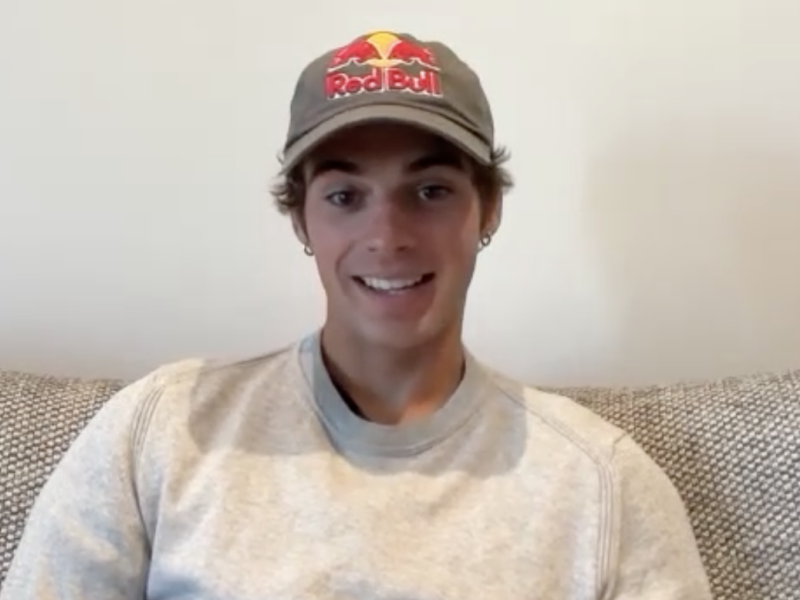
Nico Porteous chatted to MetroNews about what he’s been up to. Madaleine Mansfield | NZBS

These days, Porteous splits his time between filming projects and working behind the scenes. The southern winter is spent producing upcoming content and preparing for the northern hemisphere season, where he’ll spend months on the snow capturing film.

“It’s been more on the producing side this year,” he explains. “New Zealand winters can be tricky, so I use that time to sort out projects for the northern hemisphere. It’s kept me busy - but in a good way.”

Despite stepping back from competition, Porteous hasn’t distanced himself from snow sports entirely. In fact, he’s looking for new ways to give back.

“I’ve become a part of the Snow Sports New Zealand board,” he said. “I wanted to bring a bit more of a future-focused voice to discussions about where snow sports are heading.”

While many of the younger athletes are already impressing on the world stage, Porteous says his role now is about helping shape the system rather than coaching individuals.

“The young guys coming up -  they’re seriously good,” he said. “They don’t really need mentorship. But I want to make sure the sport keeps growing and we’re setting it up well for the next generation.”

One of the biggest changes for Porteous has been the loss of what he calls “external approval” - the constant feedback loop of scores, rankings, and podium finishes.


 

“Competition brings so much external approval,” he says. “When you step back, you realise you don’t have that anymore. You don’t need it, but it takes time to adjust.”

He’s also had to rethink goal-setting. Without the structure of competitions, his focus has become more fluid and creative.

“In competition, goals are linear - you’re working towards a specific event or trick. Now it’s more about adapting and being open to change.”

So what does success look like now for someone who’s already achieved the pinnacle of his sport?

“There are still things I want to do in skiing,” Porteous says. “We’re working on a project that’s been a dream of mine for a long time. Hopefully we’ll be able to share more about it soon.”

When asked what advice he’d give his 16-year-old self - the kid who had just burst onto the Olympic stage - Porteous didn’t hesitate.

“Don’t worry about what everyone else thinks,” he said. “After the first Olympics, everything went crazy with media and attention, and I kind of got caught up in it all. I’d tell him to just enjoy being a kid and not take it all too seriously.”

At 23, Porteous has already lived the dream of many athletes twice his age. Now, he’s redefining what success looks like - and it’s not about medals or podiums, but balance, creativity, and enjoying the ride.