METRONEWS
© New Zealand Broadcasting School 2026

A global barcode shift in our backyard

Belle Jackson
Screenshot (2)
GS1 is a global society of 117 countries across the world.  Belle Jackson/NZBS

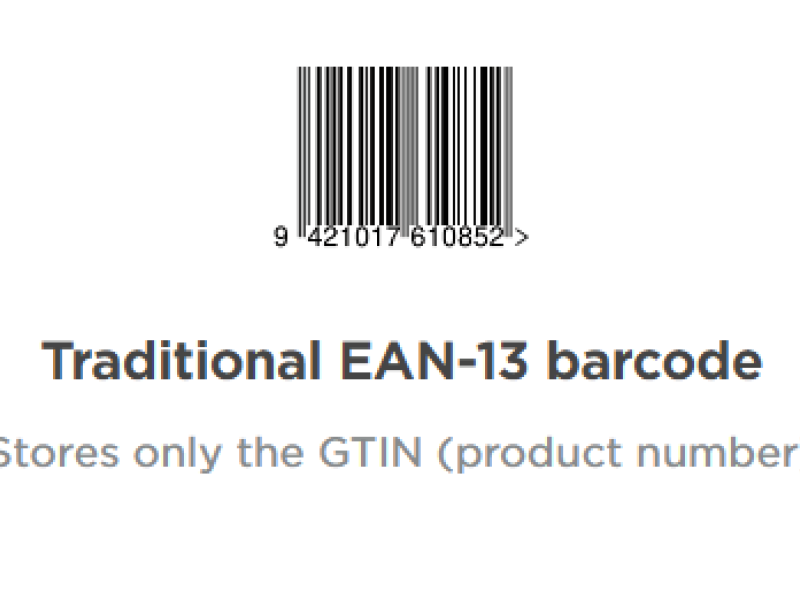
Out with the old 1D barcodes and in with the new 2D barcodes. The global barcode changes coined 'Sunrise 27' isn't yet on the horizon, however it hasn't stopped New Zealand from preparing early.

Have you ever taken much notice to the back of the packet? New changes to the back of products may make you want to look more than ever before.

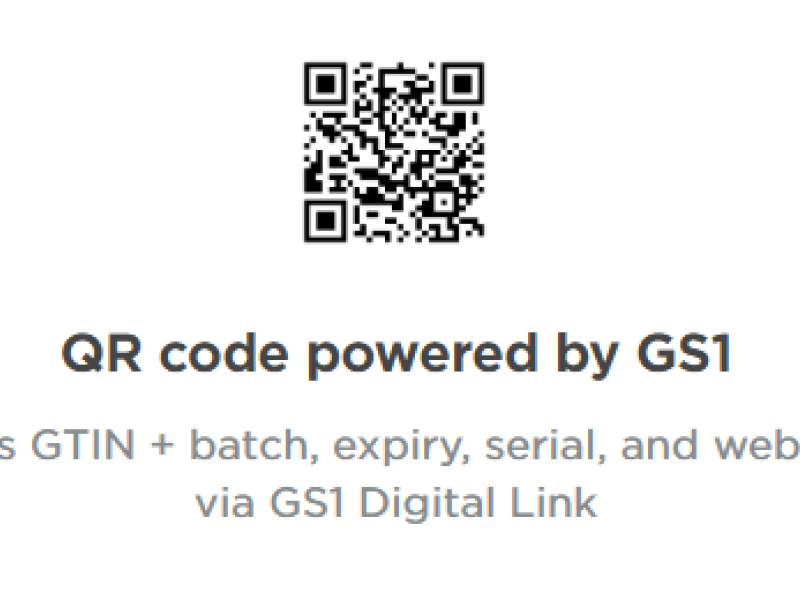
Sunrise 2027 is a global movement led by global coordinating organisations of barcode standards, GS1. The change is from 1D barcodes which been around for 50 years to 2D barcodes, commonly known as QR codes. What’s changing isn’t just the look of the barcode, it’s what that barcode can do throughout the supply chain.

At home in Aotearoa this movement has been well underway for some time, and some say well overdue too.

GS1 CEO Peter Stevens says, most of the time consumers don't need to know about barcodes.

“But consumers always want to know more about a product than the brand owner can possibly put on a pack."

The new 2D barcodes will be able to include expiry dates, batch numbers, web links, recipes, certificates and more for products across many industries.

“The power of this new tech is that it gives a 4-way win, a win for the consumers, brand owners, retailer and a win for regulators," Steven says.

The barcode could also provide you the barcode information in your preferred language.

Also providing an environmental win.

"Ironically, there are pressures to environmentally reduce packaging but the words that are required to be on it has meant that the packaging is bigger than it needs to be," Stevens says.

Although information can appear through scanning the barcode, food products and medical devices legally require certain text on the product such as expiry dates - which will remain on the product in text, with the option to also add this in the 2D barcode.

Woolworths have already been using 2D barcodes on their fresh meat.

Screenshot 2026 11 15 184942
Screenshot 2026 11 15 184956

The need for a universal digital identification system was identified a number of years ago with GS1 standards development beginning about 10 years ago.

“The regulators have regulated digital labelling on food, sunglasses, health/beauty separately..countries realised that what you want is a universal approach.”

Stevens says the 2D concept has been regulated in health care for decades.

“It stopped patients being given the wrong drug, expired drugs, helped record the serial number of medical device.”

However medical records remain messy.

"We've got to do better than this," Stevens says.

One of the supporters of this movement is Blind and Low vision NZ because small text on products can be hard to read.

2D barcodes could also be beneficial for people with allergens.

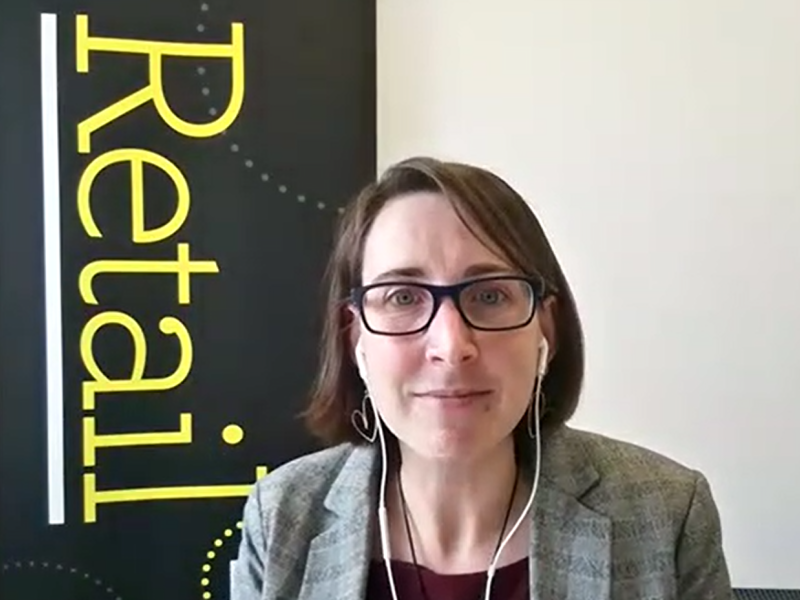
Retail NZ advocacy manager Denise Garland supports the changes but says it's still early days.

Screenshot (7)
It's still early days for retailers getting amongst Sunrise 27. Belle Jackson/NZBS

Garland says there are benefits with retail crime.

 "If people take goods off the shelf and then try to return them for a refund the system will be able to identify that it had never been scanned out."

The implementation of these 2D barcodes will be slow and gradual, and Garland says it should be to make sure all of those in the supply chain are on board as there are benefits for everyone.

Stevens describes a crawl, walk, run approach for brand owners and retailers implementing these barcodes.

Manufacturers are beginning with the crawl, which is simply a URL to the products website within the barcode. Further steps would include batch, best before dates as well as certificates and proof of the product.

These numbers being in the barcode could excel stock take processes, because the scanning systems cannot read text on the packet.

“Imagine a Usain bolt on top of the running” as he describes the future.

Next step after the 2D barcode could be a chip, similar to the apple pay system in your phone.

The global movement 'Sunrise 27' urges brand owners and retailers to convert their barcodes from 1D to 2D barcodes and is encouraging that by the end of 2027 retailer systems are able to accept 2D barcodes. The implementation of 2D barcodes on products will continue beyond this date.