METRONEWS
© New Zealand Broadcasting School 2026

Concerns over health subject roll out as teachers question logistics

Madeleine James
Heather subject 240826
Riccarton High School teacher Heather Lindsay is worried about the finer details of new secondary school subject.  Photo: Supplied

There are questions over the logistics of a new high school subject aimed at boosting experience in the health sector.

The Government recently announced Health Services and Care will be one of nine new subjects for years 12-13 from 2029. 

While welcomed by secondary school teachers, questions remain over whether it will provide students with university entrance (UE) credits.  

The Government was working closely with the Education, Health, and Community Industry Skills Board to design the subjects.  

A board spokesperson said the Health Services and Care subject would “include communication, teamwork, problem solving, ethical decision making, cultural responsiveness, and understanding how health and care services work".

Riccarton High School leader of learning of health and PE Heather Lindsay, was excited at the introduction of the subject. 

However, she thought there needed to be more consideration over whether the subject would include UE, as tertiary study was required for many healthcare careers.

“I'd be interested to find out a little bit more about the rationale about how that does open up pathways, when it potentially is a bit of a door closer as well for the UE part.”  

In response, Ministry of Education Curriculum Centre general manager of business operations Antony Harvey said NZQA and New Zealand universities were still developing the detailed UE requirements for the new qualifications system.

The subject also aimed to introduce students to a variety of lesser-known jobs in the health sector. 

The board said it was hoped the subject would create clearer pathways for students and highlight different career paths in the medical field.

But Riccarton Vocational Pathways teacher Aeronwy Cording said there could be challenges around providing students with practical skills when health services were already under pressure.  

“Yeah, I'm not confident that there's a lot of capacity to babysit kids who are unpaid and not experienced.”  

She also worried Health Services and Care would replace core generic skills taught in the NCEA health subject.  

“It would be really sad to me if we got rid of things like balancing a budget and buying a house.”  

She supported the new subject but believed it should not come at the expense of students' financial literacy.  

Ara Health Centre registered nurse Lisa Richards thought the subject could be helpful for students to get a taste of what working in the health field is like.  

“I think some people go into nursing with an impression that it's just like it is in ER or on television, it's quite different in the real world.”  

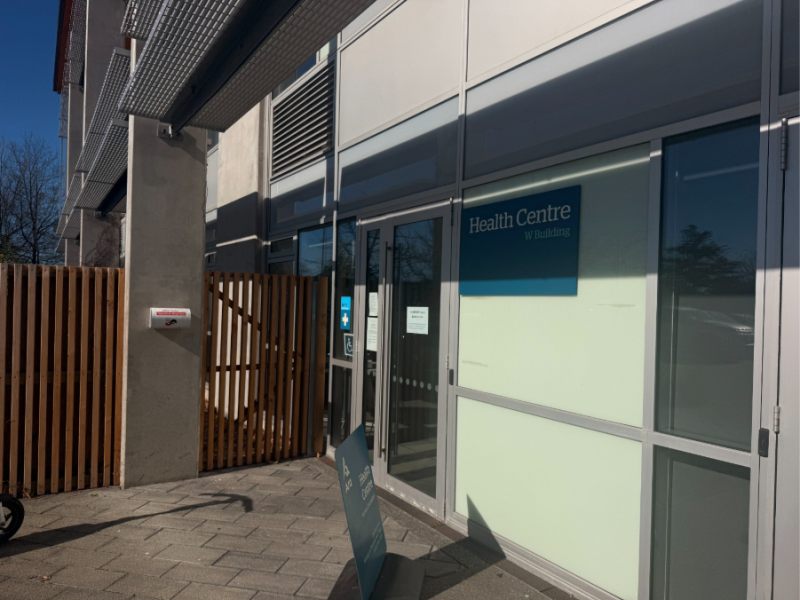
Ara health centre
Ara Health Centre's nurse thinks the new subject would prepare students for the workforce. Photo: Madeleine James/NZBS

“Shift work, for example, is something that you don't realise how taxing and hard that is until you get into the workforce,” Richards said.  

While the subject was still in the early developmental stage, Richards thought including communication skills was extremely important.  

“I get the impression that it is harder these days for students to really learn communication skills because they do so much communicating by devices.” 

She believed having communication skills was “a big part of the job”, that a lot of students had difficulty with coming into the health field. 

As a medical professional, she hoped students would “learn about things like professional standards, privacy and confidentiality, health and disability, consumer rights, [and] some of those legal aspects".

While Lindsay thought the subject would appeal to a wide range of students, she also believed many would always consider, and be encouraged by parents, to take Maths, English, Chemistry, Biology, and Physics and therefore wouldn't take the subject.  

“I think the ones who are sitting in that traditional space probably not going to shift.” 

Health Services and Care was still being developed, and Cording hoped the Government worked in tandem with schools, medical practices, and students.