METRONEWS
© New Zealand Broadcasting School 2026

Canterbury trusts are groups among DOC Community Fund recipients list

Jess Bruce
Kea
Kea are a focus for wildlife groups using DOC funding for predator control.   Photo: Jo Munday CC BY 2.0.

More than half a million dollars has been allocated to help with pest control around Banks Peninsula.

The funding boost is one of several grants given to Canterbury organisations this week as part of the Department of Conservation's (DOC) Community Fund.

One of these, the Banks Peninsula Community Trust, is set to receive over $600,000. The money is being given to the organisation to control pests such as deer, pigs and goats across Banks Peninsula in order to protect plant life such as the endangered Banks Peninsula fork fern.

Trust general manager Maree Burnett said the project will bring together landowners and communities, mana whenua, agencies, and other project partners to remove the feral animals and help the flora to regenerate. 

“This funding is about protecting the health of the wider landscape — its native forest remnants, naturally regenerating vegetation and the many taonga, endemic and threatened species they support.”

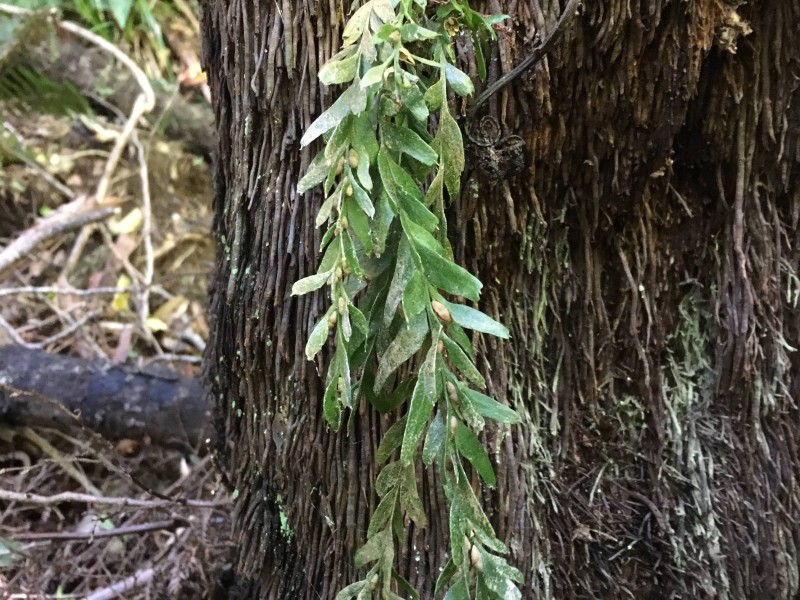
Banks Peninsula Fork Fern
The incredibly rare Banks Peninsula Fork Fern, endemic to the region, is set to benefit from predator eradication funded through the DOC Community Fund. Photo: Alice Webster

The Banks Peninsula fork fern is one of New Zealand’s rarest plants. Classified as ‘Threatened – Nationally Endangered’, it is endemic to Banks Peninsula, including Christchurch’s Port Hills, meaning it is found nowhere else in the world. It has been recorded from only 11 known sites. 

Burnett said the trust also receives funding from Environment Canterbury’s Christchurch Biodiversity Targeted Rate Programme, and the Christchurch City Council, and this DOC funding will complement this investment to add “collective expertise and investment that make landscape-scale pest management possible".

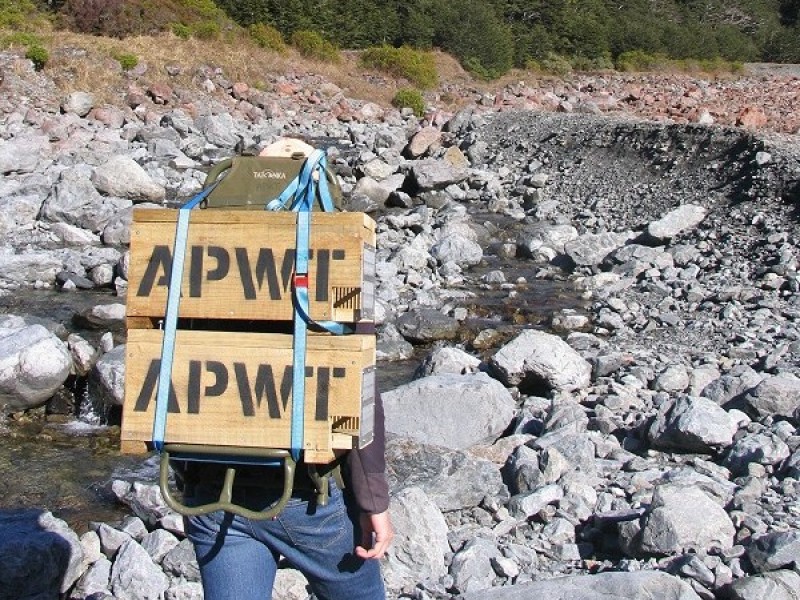
trap carryAPWT3
A volunteer carries predator traps in Arthur's Pass National Park Photo: Arthur's Pass Wildlife Trust (apwt.org.nz)

The Arthur’s Pass Wildlife Trust is also set to receive $160,000 for predator control to assist in protecting the Kea, and Great Spotted Kiwi amongst other wildlife in the area.

Trust chairman Pete Neale said the funding will enable them to continue the regular monitoring of all of the remote trap lines in Arthur’s Pass National Park. They are set to replace over 300 old traps on these lines, which mostly target stoats and rats. The funding will help with maintenance of the lines, which are difficult to get regular volunteers for. 

Neale said the funding will also help with the shifted focus of the trust - removing invasive plant life, such as gorse and lupins and the increasing issue of feral cats in the region.

DOC has granted a total of $9,200,000 to 20 different community groups across the country.